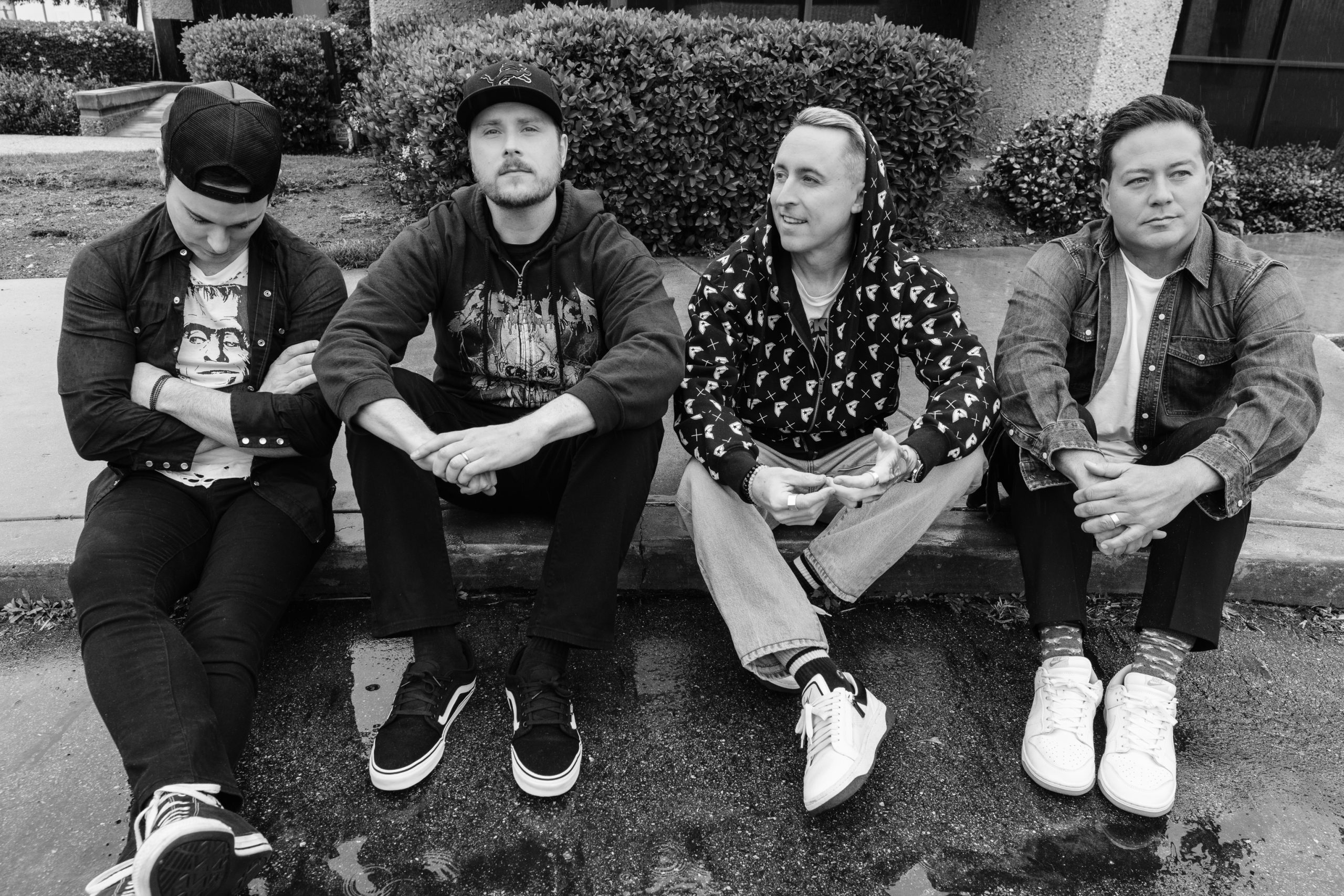
Yellowcard’s self-titled 2016 album was presented as the final chapter, followed by a farewell tour that seemed to close the book on one of pop-punk’s most recognisable bands. Thankfully, the story was not finished.
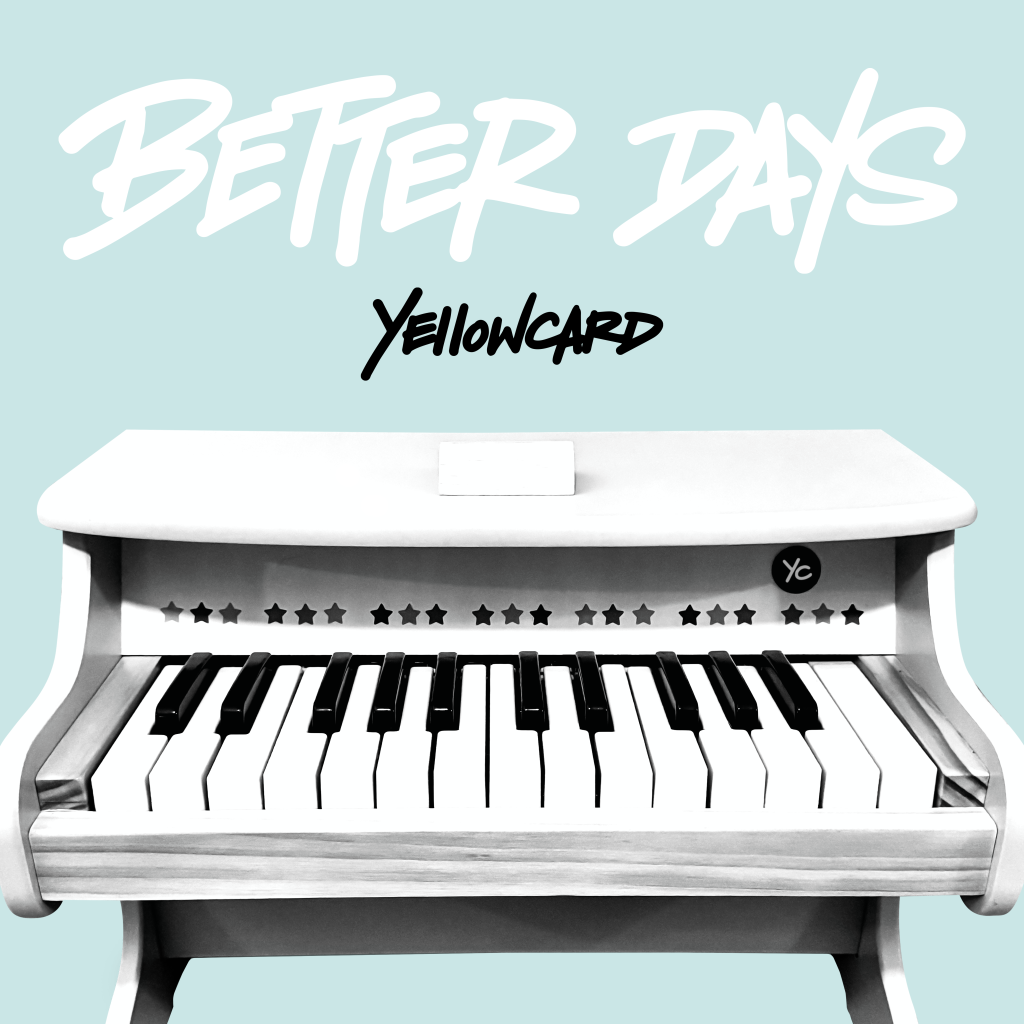
Released in October 2025, Better Days was Yellowcard’s first studio album in almost a decade and their first since reuniting. More importantly, it sounded like a genuine return rather than an exercise in nostalgia or a money-making exercise.
The deluxe version expands the original ten-song album to 14 tracks. The new edition adds “Calvary Drive”, a second collaboration with Steve Aoki entitled “Hell With Me”, a version of “Bedroom Posters” featuring Good Charlotte and a stripped-back “Asleep Version” of the title track.
Produced by Blink-182 drummer Travis Barker, who also plays drums across the original album, Better Days opens with its title track and immediately establishes the record’s central theme: learning to stop carrying responsibility for somebody else’s mistakes. Barker’s production gives the song a sharp, modern punch, but Ryan Key’s voice and Sean Mackin’s violin ensure it remains unmistakably Yellowcard.
The chorus carries the kind of emotional release upon which the band built their reputation. Key sounds older and more experienced, but the slight strain in his delivery remains intact. It has always allowed Yellowcard’s most personal lyrics to feel as though they are being lived rather than simply performed.
“Take What You Want” increases the aggression. The guitars are heavier and Barker’s drums hit with greater force. It’s pop-punk with considerably more bite than the title track, proving that the reunion has not softened the band’s edges.
“Love Letters Lost” brings Alkaline Trio’s Matt Skiba into proceedings. His darker vocal tone works well alongside Key, adding a shadow to the song’s otherwise bright melodic surface. It is a natural collaboration between artists who helped shape the same musical generation, without sounding like either has been awkwardly added to the other’s song.
The deliberately lowercase “honestly i” is more vulnerable. Its restrained opening allows the emotion to build naturally before the full band arrives. Yellowcard have always understood that the impact of a chorus depends upon the tension created before it, and the song gradually expands rather than immediately showing its hand.
“You Broke Me Too”, featuring Avril Lavigne, is the album’s major power ballad. Pairing two voices so strongly associated with early-2000s pop-punk could easily have become a cynical nostalgia exercise, but the collaboration is handled with restraint. Lavigne does not simply arrive for a decorative verse; her voice gives the song a second perspective, turning personal heartbreak into something shared.
The production is polished and clearly designed for large venues, but the emotional core remains strong enough to survive beneath it. Key and Lavigne both understand how to communicate vulnerability without losing the melodic power required by a chorus of this size.
“City of Angels” revisits Key’s complicated relationship with Los Angeles. Its title deliberately recalls “City of Devils” from 2006’s Lights and Sounds, although the viewpoint has changed considerably. Where the earlier song reflected frustration and alienation, “City of Angels” looks at the city through the eyes of someone who has lived enough life to recognise that a place can hold both disappointment and happiness.
“Bedroom Posters” is one of the album’s emotional high points. Key considers the distance between the dreams of his youth and the life those dreams eventually created. Rather than pretending to be the person he was when Yellowcard first broke through, he writes from the perspective of someone looking back at that younger version of himself.
The song’s strength lies in its honesty. Success fulfilled many of those bedroom ambitions, but it also required sacrifice, distance and time away from the people he loved. The music remains bright and energetic while the lyrics question what chasing those dreams actually cost.
“Skin Scraped” turns the focus towards the band itself. Yellowcard’s reunion did not happen because the difficult years were forgotten; it happened because the members eventually found a way to face them. The song carries that history in its combination of regret and determination, acknowledging the damage without allowing it to define the future.
Musically, it is one of the record’s most immediate tracks. Ryan Mendez’s guitars provide the momentum, Barker drives the song forward and Mackin’s violin adds the familiar melodic signature that has always separated Yellowcard from the wider pop-punk field.
“Barely Alive” confronts the period that ultimately led Yellowcard to step away. Rather than presenting the answers or attempting to explain how everything would eventually be fixed, the song lives in that moment of uncertainty, trying to understand why the band needed to walk away in the first place.
The original album closes with “Big Blue Eyes”, a gentle acoustic track inspired by the effect fatherhood has had on Key’s life. After an album filled with broken relationships, old wounds and reconciliation, it ends in a much quieter place. The ambitions of youth have been replaced by something more personal and permanent.
The deluxe material begins with “Calvary Drive”, which was the first demo Yellowcard worked on with Barker and songwriter Nick Long. What started as an experimental weekend together provided an early spark for the sessions that eventually became Better Days.
That history can be heard in the finished song. It contains many of the ideas that shape the album: driving guitars, active percussion, a soaring chorus and upbeat music carrying considerably heavier emotions. Key looks back at a relationship that has ended, knowing it belongs in the past while remaining unable to move beyond the moment of separation.
“Calvary Drive” is quintessential Yellowcard. Its sadness comes wrapped in sunshine, and the chorus feels familiar by the time it returns. There are no dramatic experiments or unexpected changes of direction, but the songwriting is too strong for that familiarity to become a problem.
“Hell With Me” reunites the band with producer and DJ Steve Aoki. Their previous collaboration, “Ocean Avenue (Steve Aoki Remix)”, placed one of Yellowcard’s best-known songs firmly inside Aoki’s electronic world. This time, the partnership feels more evenly balanced.
The song combines pop-punk guitars and Key’s melodic delivery with electronic beats, synths and a festival-sized sense of scale. Purists may find the production too glossy, particularly beside the more traditional Yellowcard material, but it provides the deluxe edition with a genuine change of colour. It sounds like a collaboration created from the ground up rather than an existing rock song with electronic effects added afterwards.
The new version of “Bedroom Posters” features Good Charlotte, bringing together two bands whose music became inseparable from the same era. Joel Madden’s weathered voice fits the song’s reflective subject perfectly. Like Key, he can now look back upon the unlikely journey from youthful ambition to long-term survival.
The album ends for a second time with “Better Days (Asleep Version)”. Stripped of the original’s driving drums and polished guitars, the song becomes quieter, more exposed and far more intimate. Key’s vocal sits at the centre, allowing the resignation and hope within the lyrics to emerge without the protection of a full-band arrangement.
It is an effective closing track because it changes the emotional meaning of the song. The original version sounds like a declaration made after finally escaping a damaging situation. The “Asleep Version” feels like the private conversation that happened before the decision was made.
The four extra tracks work best when treated as an epilogue rather than part of the original running order. They show where the Better Days sessions began, introduce a couple of unexpected collaborators and finally allow the album to settle into silence.
What makes Better Days successful is the fact that Yellowcard do not ignore their history. The album is filled with memories of youth, damaged relationships, sacrifices and the difficult process of bringing the band back together. Yet it never becomes trapped in the past.
Barker’s involvement gives the record a contemporary finish, although his production style occasionally threatens to overpower some of the qualities that make Yellowcard unique. His drumming is energetic and technically precise, but there are moments when the album resembles the wider modern pop-punk revival more than Yellowcard’s most distinctive work.
Key’s voice and Mackin’s violin repeatedly restore that identity. The violin is not always as prominent as longtime fans may want, but whenever it cuts through the guitars, it provides the emotional lift that no other band in the genre can reproduce in quite the same way.
Better Days (Deluxe) is ultimately the sound of a band realising that a farewell does not have to be permanent. Yellowcard have returned with enough respect for their past to satisfy longtime listeners and enough confidence to avoid becoming their own tribute act.
Yellowcard once believed their story had reached its final page. Better Days proved there was another chapter waiting to be written, and this deluxe edition certainly adds a few worthwhile pages.
Yellowcard: official | facebook | twitter/X | instagram | spotify | youtube | tiktok
